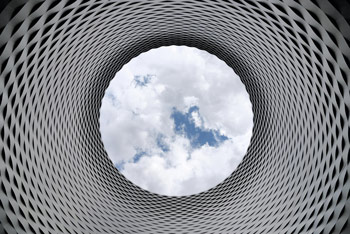
Industrial machinery must not only be functional, it also needs to look good. It may seem odd to combine aesthetics with efficiency, but a pleasing design can improve productivity and safety. It is essential for engineers to consider how their creation will look, as well as how it will work.
Beauty in industrial machinery design
In machinery design, appearance is not just something superficial. Well-crafted aesthetics build trust in the user and improve interaction with the machine. A careless design can point to deficiencies in other, less visible aspects. Haven’t you ever looked at a rusty or badly painted machine and wondered whether it would work well?
Why does aesthetics matter so much in industrial machinery?
The visual appearance of a machine can directly influence users’ perception of its quality and safety. Machines that are well designed on the outside tend to have better ergonomics. In addition, good aesthetics can be an indicator that attention was paid to detail during manufacturing. In an industrial environment, where decisions must be made quickly, the visual appearance of a machine can be reassuring for operators.
Aesthetics and functionality: friends, not enemies
You might think that adding aesthetics to a machine means sacrificing functionality, but that is not so. Standards such as UNE-EN 614-1 remind us that safety and ease of use must be prioritised, but that does not exclude good design. Aesthetics supports functionality by allowing machines to be intuitive and their controls easy to understand and use.
How does design influence safety and efficiency?
Colours are more than just pretty; they can signal dangers or guide the operator towards safe interactions with the machine. For example, using bright colours on moving or dangerous parts helps reduce accidents. The orderly arrangement of controls and clear display of panels are aesthetic improvements that have a big impact on functionality.
Innovative ideas that use aesthetics in machinery
The heavy machinery industry is constantly evolving and embracing projects with futuristic designs that combine visual appeal and high performance. Leading companies are betting on the use of lightweight metals, which not only reduce costs and increase efficiency, but also make it possible to create aesthetically attractive structures. A clear example is the use of aluminium and carbon fibre, which, besides being lightweight materials, give a modern and neat finish.
- Touch screens and graphical interfaces can be integrated, making interaction more intuitive and efficient.
- Backlit buttons improve visibility and help workers identify them quickly, even in dark environments.
Connecting aesthetics with functionality is more than a fashion; it is a change in manufacturing culture. Companies that adopt this approach not only stand out from their competitors, they also gain greater acceptance from users.
Frequently asked questions about aesthetic design in industrial machinery
Does aesthetics make industrial machines more expensive?
It is a myth that good design significantly increases cost. The initial investment may be slightly higher, but in the long term it improves durability and reduces maintenance, making it cost-effective.
Which materials are most suitable for an aesthetic but effective design?
Materials such as aluminium, carbon fibre and high-strength plastics are popular options for their versatility and visual appeal, without compromising safety.
How do I achieve good aesthetics without neglecting safety?
By following safety regulations and keeping a balance between appearance and functionality. Using colours and shapes that guide the user without taking them out of the safe environment is key.
Aesthetics in machinery engineering is not a luxury, it is a strategy that improves user experience and operational efficiency. When design is done with consideration and attention to detail, products are achieved that not only fulfil their function but also convey quality and confidence. Isn’t it better to work with something that not only works well but also looks great? 😉